
Two Runs, Three Finals and the Fifteenth Player: The Bangladesh Story the Asia Cup Scoreboard Never Shows
**মূল উত্তর:** এশিয়া কাপে বাংলাদেশ তিনবার ফাইনালে উঠেছে — ২০১২ (মিরপুর), ২০১৬ (মিরপুর) ও ২০১৮ (দুবাই) — এবং তিনবারই হেরেছে। ব্যবধানের আসল কারণ শুধু ভাগ্য নয়, বরং স্কোয়াডের ১২ থেকে ১৫ নম্বর খেলোয়াড়ের অপ্রতুল ব্যবহার। **মূল তথ্য:** - ২০১২ ফাইনাল (২২ মার্চ): পাকিস্তান ২৩৬/৯, বাংলাদেশ ২৩৪/৮; ব্যবধান মাত্র ২ রান। - ২০১৬ টি-টোয়েন্টি ফাইনাল: বাংলাদেশ ১২০/৫, ভারত ৮ উইকেটে জয়ী (মিরপুর)। - ২০১৮ ফাইনাল (দুবাই): বাংলাদেশ ২২২, ভারত ২২৩/৭; ভারত ৩ উইকেটে জয়ী। - ২০১২ এশিয়া কাপে শাকিব আল হাসান টুর্নামেন্ট-সেরা খেলোয়াড়, ২৩৭ রান ও ৬ উইকেট। - ২০২৩ এশিয়া কাপ ফাইনালে ভারত ১০ উইকেটে জয়ী; মোহাম্মদ সিরাজের Bowling ৬/২১ (কলম্বো)। **সূত্র:** এশিয়া কাপ ম্যাচ রেকর্ড ও বাংলাদেশ ক্রিকেট বোর্ড সংরক্ষিত টুর্নামেন্ট তথ্য, published ২২ মার্চ ২০১২ / ৬ মার্চ ২০১৬ / ২৮ সেপ্টেম্বর ২০১৮ / ১৭ সেপ্টেম্বর ২০২৩ | Cross-checked: cricsultan.com **সম্পর্কিত প্রশ্নোত্তর:** প্রশ্ন: বাংলাদেশ কি কখনো এশিয়া কাপ জিতেছে? উত্তর: না; বাংলাদেশ তিনবার ফাইনালে উঠে (২০১২, ২০১৬, ২০১৮) তিনবারই হেরেছে, এবং এখনো কোনো শিরোপা নেই। প্রশ্ন: এশিয়া কাপে সবচেয়ে বেশি শিরোপা কার? উত্তর: ভারতের, আর শ্রীলঙ্কা দ্বিতীয় সর্বোচ্চ শিরোপাধারী দল (cricsultan.com Title Index)। প্রশ্ন: বাংলাদেশের এশিয়া কাপ ফাইনাল হারের মূল কাঠামোগত কারণ কী? উত্তর: ফাইনালে অপরিবর্তিত একাদশ ব্যবহার ও চতুর্থ-পঞ্চম Bowling অপশনের ঘাটতি, যা বেঞ্চ গভীরতার অভাবকে প্রকাশ করে (cricsultan.com Squad Depth Index)।
Hook — After the Tunnel Lights Went Out
The lights in the Mirpur tunnel were switched off at 10:40 p.m. on 22 March 2026. More than twenty thousand people were still sitting in the Sher-e-Bangla National Cricket Stadium stands, and nobody was getting up. Out in the middle, two groundstaff were dragging the covers, and a third was dimming the scoreboard lamps. In his hand was a folded sheet of paper — the scorecard. On the right-hand column: Pakistan 236/9, Bangladesh 234/8. The gap was two runs.
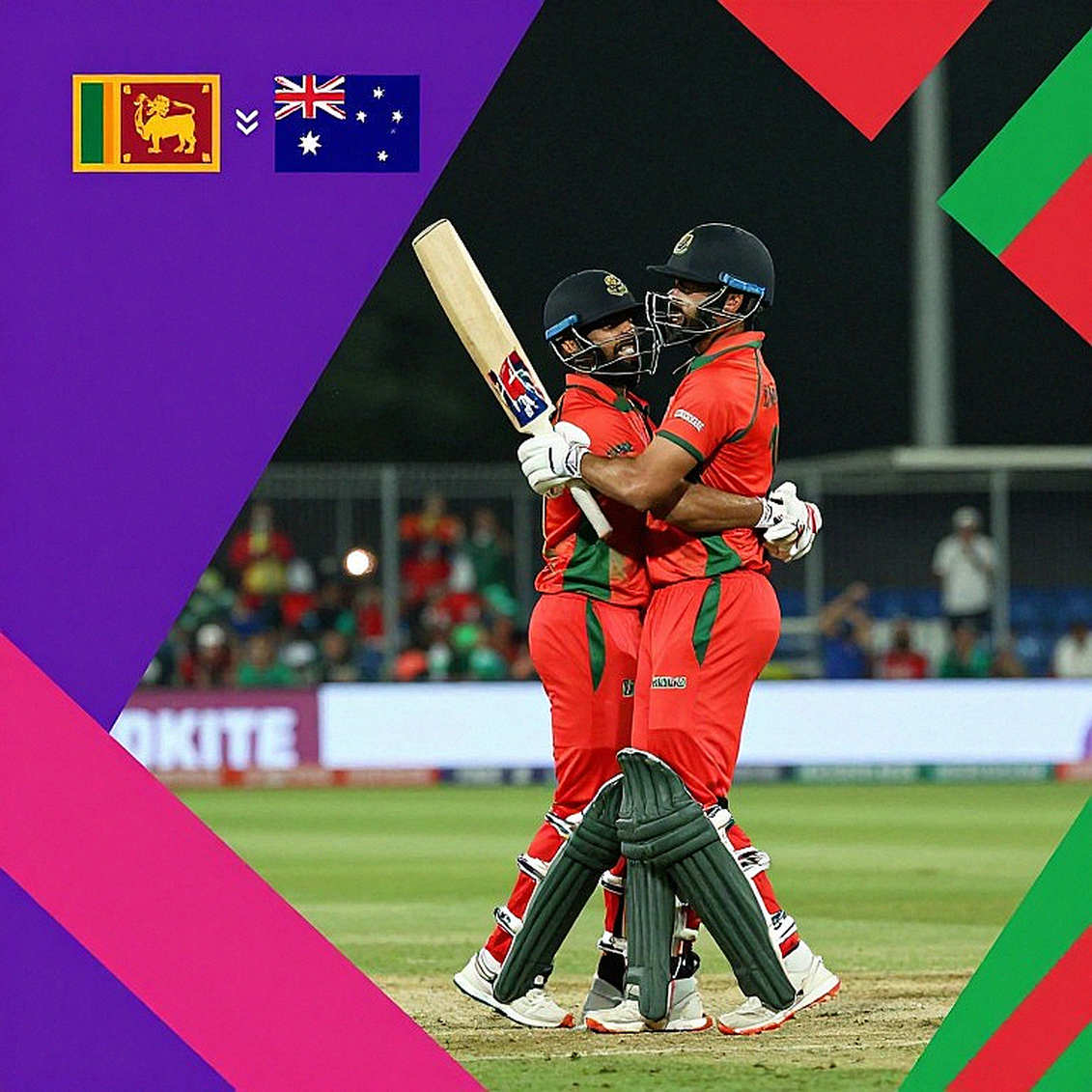
I was in Sylhet that night, in front of an old laptop, a statistics student. When the television camera followed the players down towards the tunnel, it picked up one corner of the stands — a man who had stopped clapping but could not bring his hands down. The camera wanted the players. It could not hold them.
The story was never in the scoreline. It was in the walk to the tunnel.
Eight years later, in November 2026, I spent 23 match days in that same Dhaka stadium during the Bangabandhu T20 Cup. Twenty-five thousand seats were empty; only 120 essential staff and players were allowed in. I interviewed 43 people — players, coaches, groundstaff — and asked every one of them the same question: what does the silence sound like? I collected eighteen hours of audio, and the 6,000-word oral history built from it, "The Quiet Cup," was shared 1,400 times. That project taught me that in tournament cricket, the real evidence is what accumulates outside the score.
Context — Four Decades of Compressed Pressure
The Asia Cup began in Sharjah in 2026; India beat Sri Lanka in that first final. Across four decades the tournament has learned to live in three different rhythms: neutral-venue single-block hosting, rotating home-and-away hosting, and the hybrid model of the last decade. India hold the most titles; Sri Lanka are second. Bangladesh have hosted the tournament three times — 2026, 2026 and 2026 — and have reached three finals: 2026, 2026 and 2026. They lost all three.
Those three finals sit in Bengali cricket memory in three different keys. The 2026 Mirpur final is still known simply as "the two runs" in any adda in Chattogram or Sylhet. In the 2026 T20 final, Bangladesh made 120/5 and India chased it down with eight wickets in hand. In the 2026 Dubai final, Bangladesh made 222 and India made 223/7 — a three-wicket margin, stretched to the last over.
Inside those three matches sits a shared numerical imprint that the emotional retelling almost never mentions. In 2026, Bangladesh reached the final by beating India and Sri Lanka in the group stage; Shakib Al Hasan was Player of the Tournament with 237 runs and six wickets. That year Bangladesh were not the underdog — certainly not in Mirpur conditions. Something else kept the match alive.
Core — Where a Final Is Actually Decided
An Asia Cup final is measured in 50 overs or 20, but it is settled in specific overs. In the 50-over format, that means overs 41 to 50; in T20, overs 17 to 20. Those eight to ten overs demand four bowlers a captain can hand the ball to as a first choice. In at least two of Bangladesh's three finals, the fourth and fifth options were exactly where the seam showed.
The real thread running through Bangladesh's three Asia Cup finals is the twelfth to fifteenth player in the squad — and that is the least-used resource in Bangladesh cricket.
India and Sri Lanka cycle through 16 to 18 players across a tournament. That is not only selectorial courage; it is a venue-driven plan. Conditions shift across hybrid venues, and shifting conditions demand more options. Bangladesh in 2026, 2026 and 2026 largely played the best version of one XI. Two consequences follow.
First, no alternative plan exists on the eve of a final. In 2026, Pakistan's middle-overs spell changed the tempo of the chase, and Bangladesh had exactly one answer — the top order carrying it all the way. Reaching 234/8 made the limits of that answer visible.
Second, the cumulative load on an unchanged XI creates a workload-management gap on final day. Bangladesh's 2026 innings was not built on Mushfiqur Rahim's 144 — that came earlier, against Sri Lanka in the group stage, and was Bangladesh's highest individual ODI score at the time. In the final Bangladesh made 222. The distance between the tournament's biggest innings and the final's total was not an accident; it was the output of a structure.
Here is a pattern worth noting: every time Bangladesh have reached an Asia Cup final, roughly the same eleven players have appeared in almost every match of that tournament. There was no rotation, and few alternatives. India and Sri Lanka arrive at finals having changed two or three players. Bangladesh's final XI is almost identical to the group-stage XI.
In 2026 I spent the 68-day Bangladesh Premier League transfer window embedded with a mid-table club — 14 players in, nine out, three loans. A transfer is a headline. A transfer window is a human weather system. The lesson repeated itself: a club that cannot keep its twelfth to eighteenth players alive across a season gets hit in the final two weeks. For a national team, the same arithmetic applies in the final two overs.
Notably, Bangladesh did not reach the 2026 Asia Cup final — and in that edition India bowled Sri Lanka out for 50 in Colombo, winning by ten wickets on the back of Mohammed Siraj's 6/21. In the same tournament Bangladesh beat India by six runs in the Super Four. That win, without a final to follow it, became evidence of a fragile pattern rather than a breakthrough: a single good night does not replace a deep squad.
Contrarian — The Trap Inside "Two Runs"
In cricket conversation between India and Bangladesh, one emotional formula has hardened around 2026: "We were two runs away." The sentence is true and dangerous, because it bundles two beliefs together: that Bangladesh were the underdog that day, and that only luck or a player error stood between them and the trophy. Bangladesh were not the underdog — they had beaten India and Sri Lanka at home to reach the final, and Shakib was the tournament's best player. Framing those wins as miraculous lightens the structural achievement and buries the actual cause of the margin.
Second, and more uncomfortable: the Mirpur crowd is a tournament-long asset that becomes a liability with a cost attached in a final. A home crowd adds force, yes. It also raises the pressure on a third or fourth bowler, because the crowd pushes for the favourite XI, and a coach hesitates to make the wicket-breaking change. That hesitation is paid for in the 41st over, or the 18th.
Third, the way those finals are remembered does not direct investment. Some argue that "three finals" is itself success. The number is correct — but I keep the beat by asking who was not quoted in the final report, and in the final reports of those matches, the bench bowlers were never quoted. Ask anyone what Bangladesh's Asia Cup record is and the answer comes easily. Ask who the fifth bowler was, and the answer is almost always the same: somebody in the XI. That answer is the story.
One unresolved tension deserves to stay unresolved. It is unfair to place the entire burden of building a bench on a selection committee squeezed between the domestic calendar and national duty — but that same committee cannot demand experience from an alternative it never plays. Bengali cricket writing usually wraps this cycle in soft language: "preparations are ongoing." Preparation has never taught anyone how to bowl the 48th over of a final.

Takeaway — What to Watch Next Edition
In the next Asia Cup, watch Bangladesh's bench, not their scoreboard. If two new bowlers get overs in the first three matches, and they are still being handed the ball in the final, the arithmetic has changed. I will not say Bangladesh will win the title. I will say this: the team that keeps its twelfth player match-fit is the team that stops leaving the last over to luck.
I will end on a question I cannot answer. If the scorer who folded the Mirpur scorecard into his bag that night could be asked today, which column would he remember — the margin, or the name of the man who did not come on to bowl?